December 29, 2025
Expanding your home can be an exciting opportunity to enhance your living space, increase comfort, and potentially boost your property’s value. From adding a new bedroom to expanding the kitchen, additions allow homeowners to customize their space to better suit their evolving needs. However, such projects come with significant planning and investment, making it crucial to approach them with careful consideration. Jumping into a remodeling project without a clear understanding of the process can lead to costly mistakes and unexpected delays.
Successful additions require balancing design, budget, functionality, and long-term benefits. Homeowners often imagine the final result but may underestimate the challenges involved in construction, permitting, and integrating the new space with the existing structure. Taking the time to evaluate key factors before starting ensures the project enhances your home rather than creating unnecessary stress. Explore four essential considerations to help you plan and execute your home addition project.
1. Assess Your Needs and Goals
Before picking up a hammer or consulting a contractor, it’s essential to define the purpose of your addition. Are you creating a new bedroom for a growing family, expanding a kitchen for entertaining, or adding a home office? Identifying the primary goal will help shape the design, layout, and materials used. Clear objectives also help avoid overbuilding or investing in features that don’t align with your lifestyle.
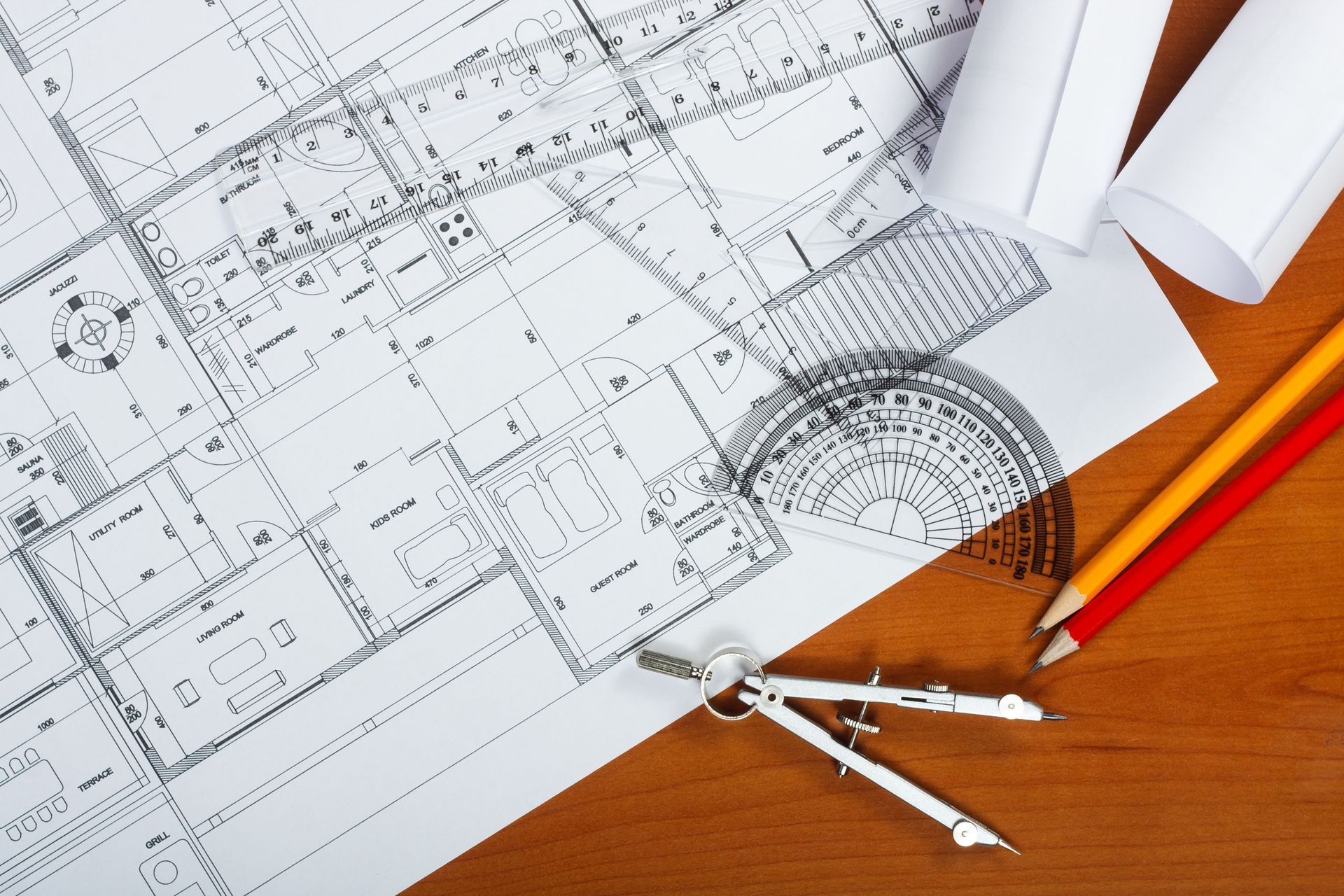
Consider how the new space will integrate with your existing home. Open floor plans may require structural changes, while separate additions might involve exterior modifications and potential landscaping adjustments. Think about how each option affects traffic flow, natural lighting, and the overall harmony of your home’s design. A well-integrated addition feels like a natural extension rather than an afterthought.
Additionally, evaluating your long-term needs is crucial. While a project may solve an immediate problem, consider how your family’s needs might evolve over the coming years. Planning ahead can prevent having to undertake another construction project sooner than expected. Keeping resale value in mind can also influence design choices, ensuring the addition appeals to potential future buyers.
Consulting with family members or household occupants can help ensure everyone’s priorities are considered. A successful home addition balances practicality with comfort, accommodating current and future lifestyles. Open discussions at the planning stage can prevent conflicts and result in a design everyone enjoys.
2. Set a Realistic Budget
One of the most critical aspects of a new addition is establishing a budget that accounts for all costs. Beyond construction materials and labor, homeowners must consider permits, inspections, design fees, and unexpected contingencies. Additions can quickly escalate in cost if these elements are overlooked, making a realistic budget essential to avoid financial strain.
Start by researching average costs for the type of addition you’re considering in your area. Prices vary depending on materials, labor, and regional market trends. Consulting multiple contractors for estimates can provide a clearer picture of what to expect and help you compare value versus price. It’s also wise to account for potential changes in material costs, especially for projects that may span several months.
In addition to the upfront investment, consider the long-term financial impact. Additions can increase property taxes, insurance premiums, and utility costs. Evaluating these factors ensures the project remains sustainable over time. Having a well-defined budget can prevent compromises that could negatively affect the quality or functionality of the final result.
According to HomeAdvisor, a home addition often increases property value, with homeowners seeing an average 20% to 50% return on the initial investment. This potential return highlights the financial benefits of thoughtful investments but also underscores the importance of managing expenses carefully. A well-planned addition can enhance both living comfort and the overall value of your home.
3. Identify Regulatory Requirements
Navigating permits and zoning regulations is a critical step that can’t be overlooked. Local governments often have strict rules regarding the size, height, and placement of new rooms to maintain neighborhood aesthetics and safety standards. Failing to comply with these regulations can lead to fines, delays, or even the need to remove unapproved structures.
Start by contacting your city or county building department to understand the specific requirements for your property. This may include setbacks from property lines, maximum lot coverage, and restrictions on the type of construction materials or architectural style. Certain areas may also have historical preservation rules that affect exterior modifications.
Hiring a licensed contractor familiar with local codes can simplify this part of the home addition process. Professionals can prepare permit applications, coordinate inspections, and ensure your project meets all legal requirements. While this adds to upfront costs, it significantly reduces the risk of costly mistakes or violations.
It’s also important to consider potential neighborhood restrictions, such as homeowners’ association (HOA) rules. Some communities have guidelines for exterior appearances, landscaping, and noise limitations during construction. Understanding these requirements early helps prevent disputes and ensures the addition aligns with community standards.
Timing is also an important factor. Permit approvals can take weeks or months, depending on the complexity of your project and local office workloads. Factoring this into your project timeline prevents frustration and allows for more accurate scheduling of construction phases.
4. Evaluate Design and Construction Options
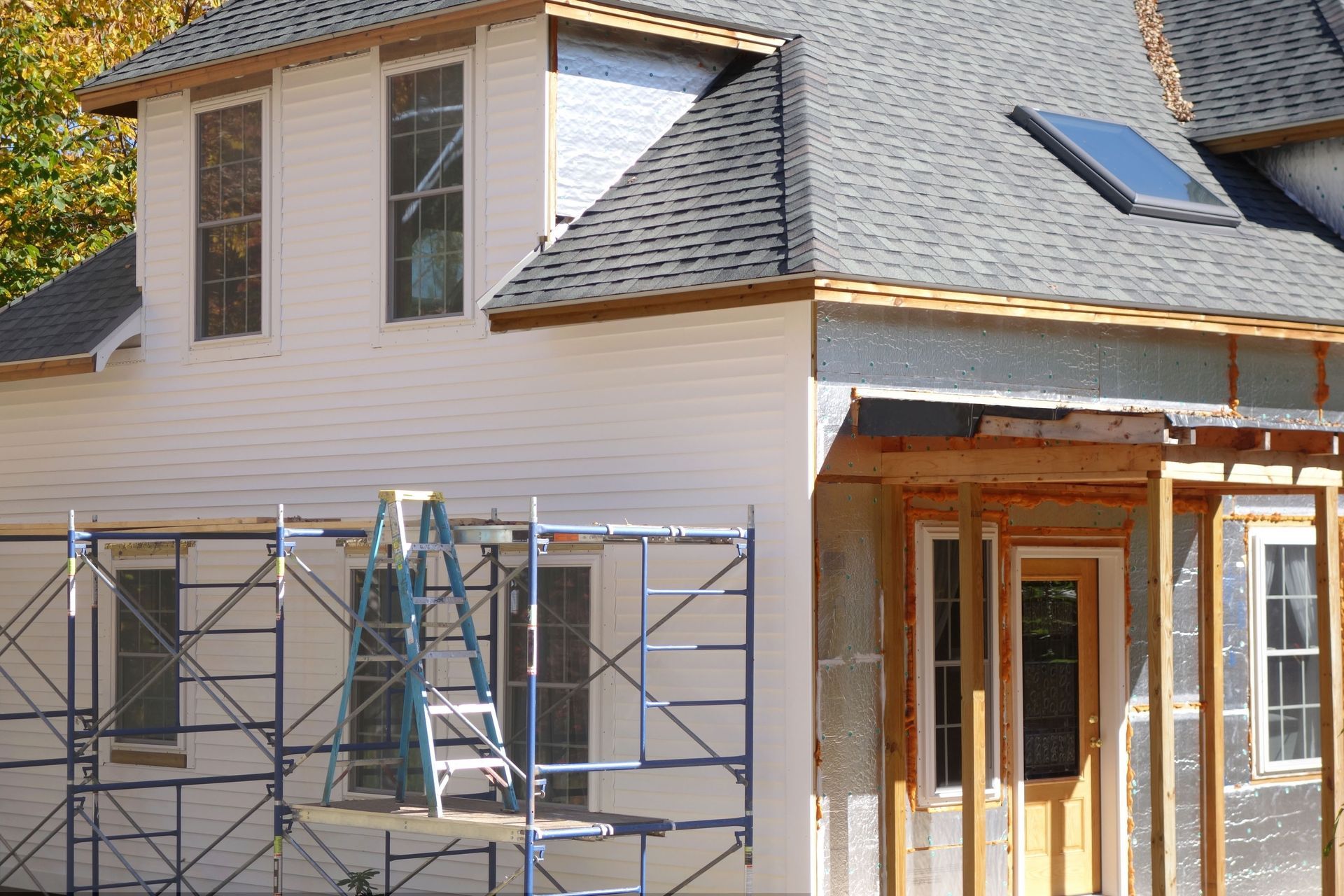
Choosing the right design and construction approach is essential for creating a functional, aesthetically pleasing home addition. Decisions at this stage influence the durability, comfort, and overall success of the project. Begin by exploring architectural styles that complement your existing home while meeting your needs. Consistency in exterior materials, roofing, and window styles ensures the addition feels cohesive rather than jarring.
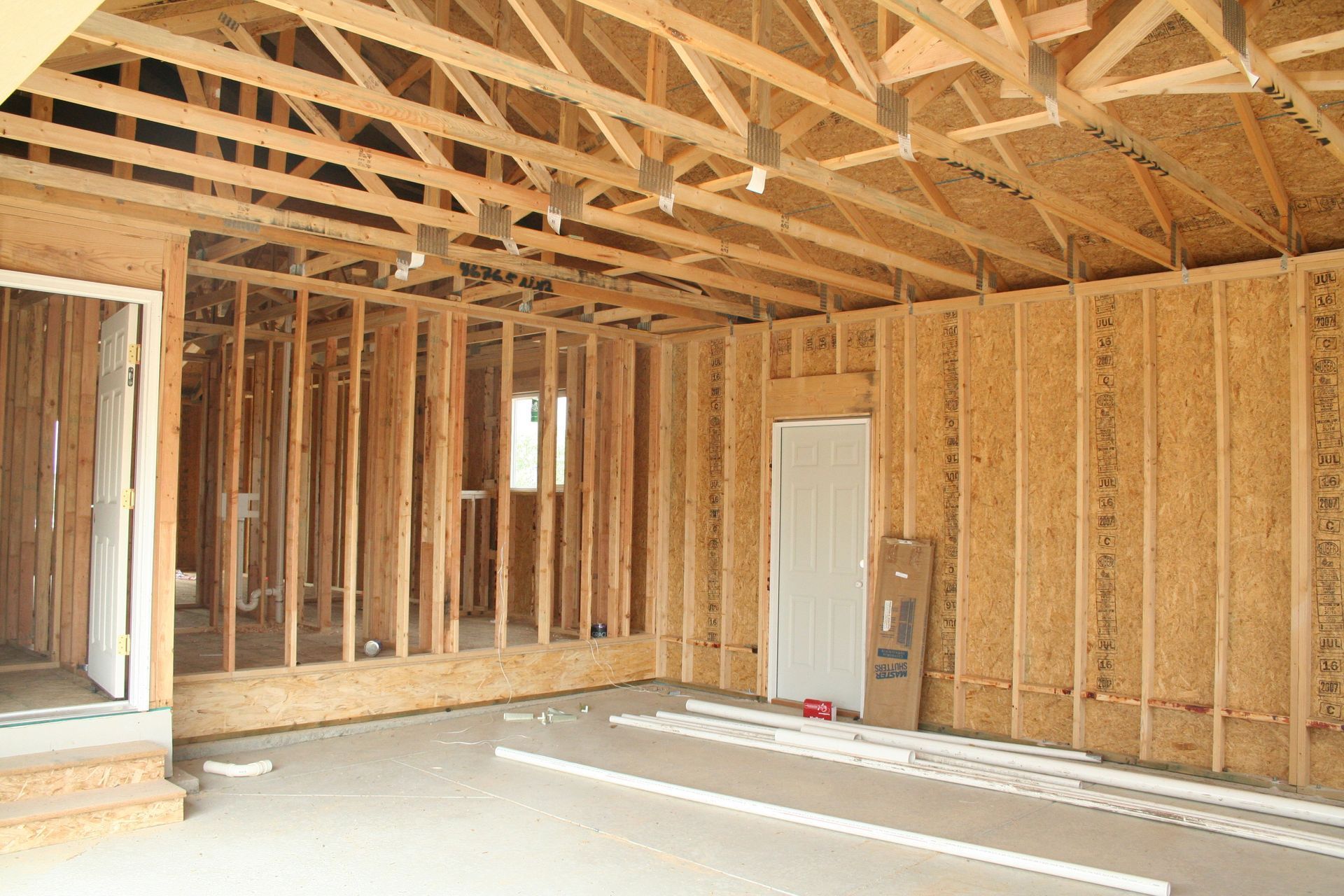
Next, consider construction methods. Traditional stick-built additions offer flexibility in design and layout but may require longer construction times. Modular or prefabricated options can reduce construction time and waste, though customization may be limited. Each approach has trade-offs, so it's key to evaluate your priorities, including speed, cost, and design flexibility.
Energy efficiency and sustainability are increasingly important in home design. Incorporating high-quality insulation, energy-efficient windows, and modern HVAC systems can reduce long-term operating costs. Smart home integration, such as lighting controls or heating zones, can also enhance comfort and functionality while future-proofing your investment.
Selecting the right contractor is crucial. Beyond cost, consider experience, portfolio, references, and communication style. A skilled contractor can anticipate challenges, offer creative solutions, and maintain quality throughout the construction process. Collaborating closely with professionals ensures your vision is realized while minimizing stress and unexpected issues.
Adding a room to your home can be a major undertaking, but with careful planning, an addition can transform your home and enhance your lifestyle. By assessing your needs, setting a realistic budget, understanding permitting requirements, and evaluating design options, you can approach the project with confidence and clarity. Proper preparation minimizes risks, reduces stress, and ensures your new space aligns with your goals. Taking the time to plan thoroughly now can save you both time and money once construction is underway.
A home addition offers the opportunity to create a more functional, comfortable, and valuable living environment. By considering these key factors before construction begins, homeowners can make informed decisions that benefit both their current lifestyle and long-term investment. With the right planning, your addition can become a seamless extension of your home, providing enjoyment for years to come.
Ready to expand your living space? Contact Omni Building Group today to bring your home addition vision to life with professional planning and quality construction.